Small Plumbing Problems Don’t Stay Small
A slow drain or a tap that won’t fully shut off rarely feels urgent. It’s easy to put off, especially when the rest of the house seems fine. But plumbing systems tend to fail gradually, not suddenly — small symptoms are usually the earliest, cheapest point at which a problem can be caught, long before it becomes water damage, a spiked utility bill, or an after-hours emergency call.
Why Booking Sooner Pays Off
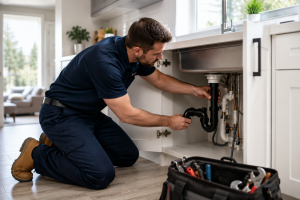
A drip under the sink or a fixture that never quite shuts off can do more than raise your water bill. Left alone, slow leaks behind cabinets, worn seals, and pressure irregularities can spread moisture into drywall, flooring, or hidden framing before they’re ever noticed. Addressing these issues during a scheduled visit — rather than after they’ve escalated — also means less water wasted from running toilets and dripping fixtures, and a better chance of avoiding the higher cost and disruption that typically come with an emergency call versus routine service.
6 Household Plumbing Signs Worth a Second Look
These signs don’t confirm a specific fault on their own, but each one points toward a category of plumbing issue that’s far easier — and less expensive — to diagnose early.
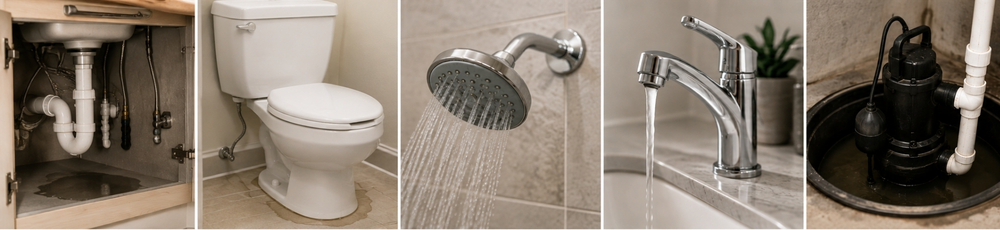
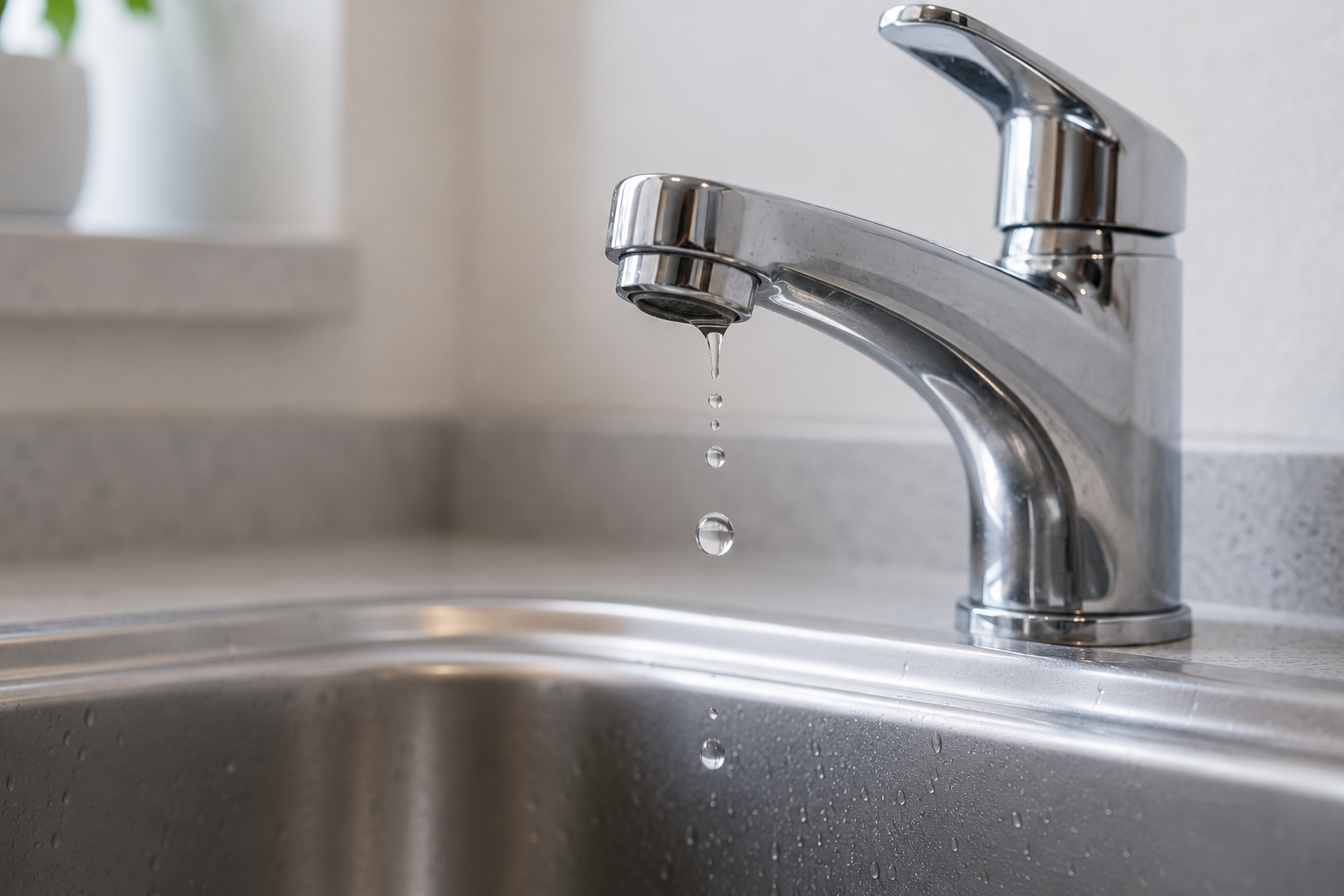
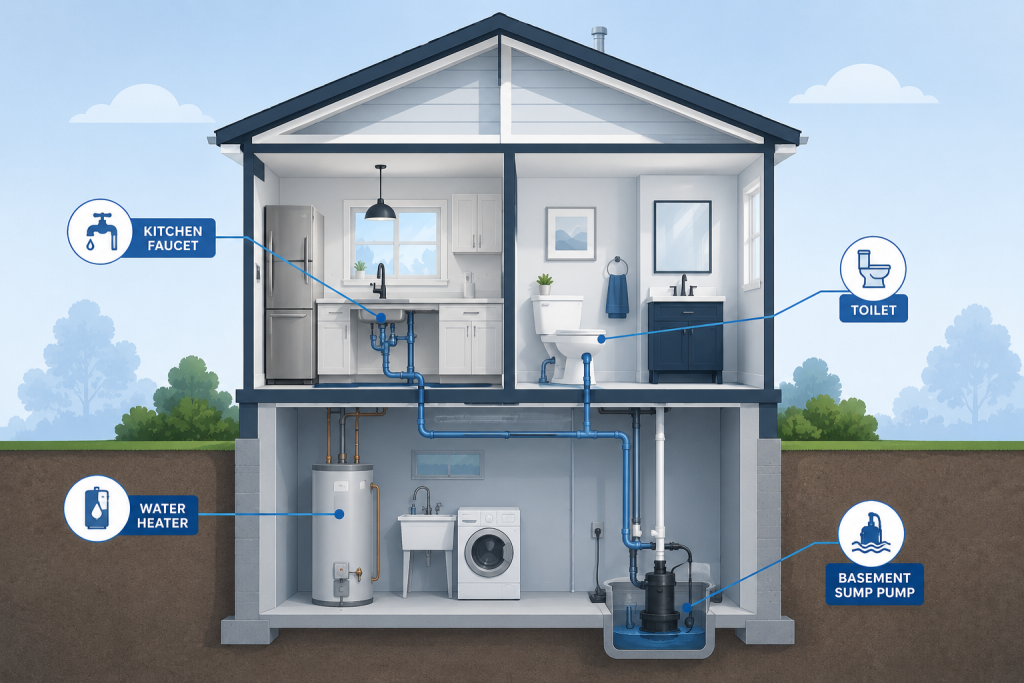
1- Dripping or leaking taps. A tap that won’t fully shut off is almost always a worn washer, O-ring, or valve cartridge inside the fixture. It seems minor, but a constant drip adds up in wasted water over weeks and months, and often signals that other seals in the same fixture are due for attention.
2- Slow or clogged drains. A drain that empties sluggishly usually means a buildup of grease, hair, soap residue, or mineral scale narrowing the pipe. It tends to worsen gradually with normal daily use, which is why it’s easy to ignore until the drain stops altogether.
3- A toilet that keeps running or refilling. Hearing your toilet refill on its own with no one using it typically points to a worn flapper valve or fill valve letting water leak slowly into the bowl — one of the most overlooked sources of hidden water waste in a home.
4- Weak or changing water pressure. A drop in pressure at your taps or shower can be as simple as mineral buildup in an aerator, or it can point to a developing leak or a valve problem further back in the supply line. Sudden changes are worth checking sooner than gradual ones.
5- Inconsistent hot water. Hot water that fluctuates in temperature, runs out faster than it used to, or takes longer to arrive is commonly caused by sediment buildup at the bottom of the tank, a failing heating element or thermostat, or — in older units — a tank nearing the end of its service life.
6- Sump pump noises or unusual cycling. Grinding or rattling sounds typically point to worn bearings or a jammed impeller, while a pump that cycles on and off unusually often can indicate a float switch problem or a pump that’s undersized for the job. Either way, it’s worth checking before heavy rain or spring thaw puts real demand on the system.
A Simple Homeowner Prevention Checklist
Between service visits, a few habits make these signs easier to catch early: check under sinks and around toilet bases periodically for moisture or discolouration, listen for a toilet that runs a minute or more after flushing, note any gradual drop in shower or faucet pressure, keep an ear out for hot water that takes longer to arrive than it used to, and pay attention to unusual sounds from a sump pump — especially in spring and after heavy rain. None of these take more than a few minutes, and catching a pattern early is often the difference between a routine repair and a larger one.
When to Monitor and When to Call a Professional
Minor, consistent symptoms a slightly slow drain, a faucet that drips only occasionally can often be monitored for a short period. But certain signs warrant a call sooner rather than later:
- a toilet that continues running no matter what you try,
- a sudden and unexplained drop in water pressure,
- hot water that’s noticeably less reliable than before, unusual sump pump noises,
- or any sign of moisture on walls, ceilings, or flooring.
In these cases, a licensed plumber can diagnose the actual cause rather than leaving it to guesswork.

Why Licensed, Professional Service Matters
Every visit from Empower Home Comfort is handled by a licensed technician focused on clear answers and practical repairs — not upselling. That matters because plumbing symptoms can share causes that look similar on the surface but require very different fixes. A professional assessment protects both your home and your budget by identifying the actual source of the issue the first time.
FAQ
Is a slightly slow drain really worth calling someone about?
A drain that empties slowly is often an early sign of buildup that’s easier to clear before it becomes a full clog — it’s worth a look, even if it’s not urgent yet.
Why does my toilet keep making a refilling sound?
This is usually caused by a worn flapper or fill valve allowing water to slowly leak into the bowl, which can waste a meaningful amount of water over time even though it seems minor.
Could low water pressure fix itself?
Occasionally it’s just a clogged aerator, but a sudden or ongoing drop in pressure can also point to a developing leak or valve issue, so it’s worth having it checked rather than assuming it will resolve on its own.
My sump pump sounds different than usual — is that an emergency?
Not necessarily an emergency, but new grinding, rattling, or constant cycling sounds are worth having assessed soon, especially before a heavy rain event puts more demand on the system.
What actually happens during a scheduled plumbing visit?
A licensed technician assesses the specific symptoms you’ve noticed, identifies the underlying cause, and recommends only the repair that’s actually needed — with clear communication throughout.